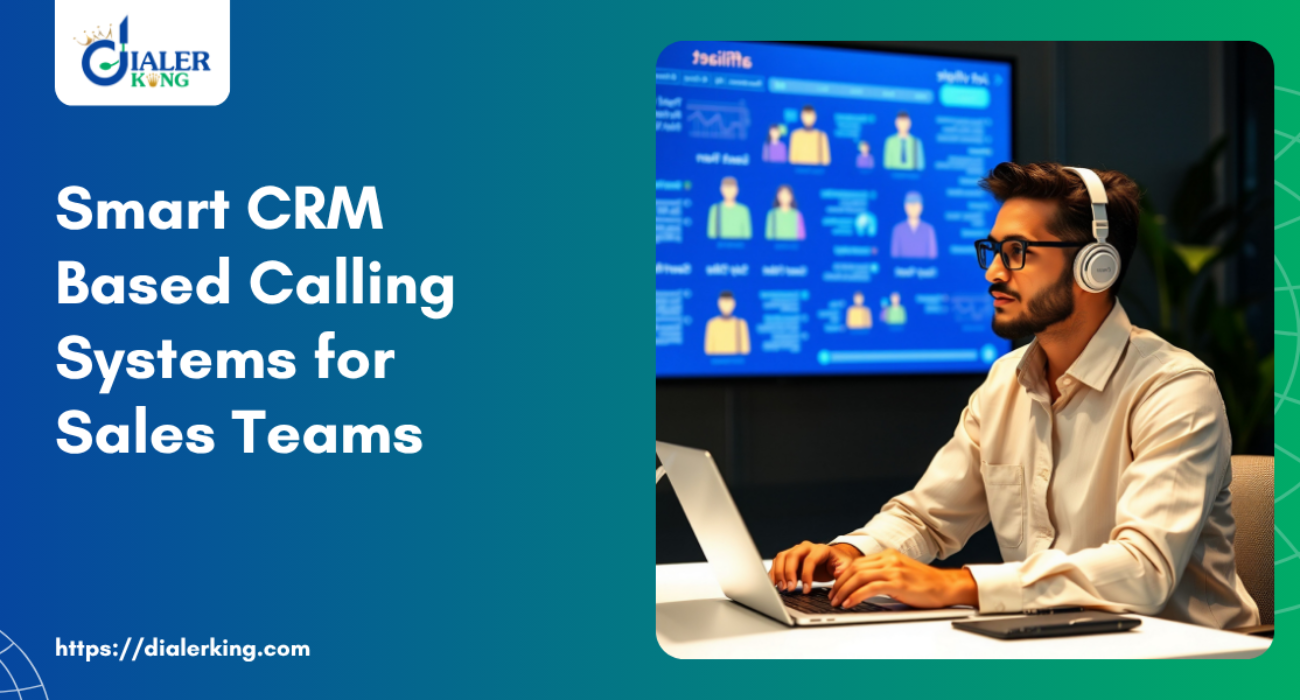
- What is a CRM-Based Calling System?
- Why CRM-Based Calling Systems Changed Sales Forever
- How CRM-Based Calling Systems Actually Work (Simple Explanation)
- Core Benefits of CRM-Based Calling Systems for Sales Teams
- CRM-Based Calling Systems vs Traditional Phone Workflows
- How calling systems that use CRM help businesses win
- Why DialerKing Technology Focuses on CRM-Based Calling Systems
- CRM-Based Calling Systems Features That Actually Matter
- CRM-Based Calling Systems and Sales Psychology
- Global Use Cases: Cities, Markets, and Regions
- Addressing Common Objections
- CRM-Based Calling Systems and Long-Term Growth
- FAQs – Real Questions from Real Buyers
- Final Thoughts: Why CRM-Based Calling Systems Matter Now
Why do most sales calls fail even before they start? It usually happens because sales teams jump between tools, lose customer context, or forget follow-ups. That exact problem pushed businesses worldwide toward CRM-Based Calling Systems.
The CRM System approach connects calling activity directly with customer records. No switching tabs, missed notes or guesswork. Sales teams talk, track, and convert inside one flow.
That single change boosts productivity, improves response time, and increases deal closure. And yes, it works across industries, cities, and global markets. DialerKing Technology builds contact center dialer solutions that focus on one goal. Help sales teams talk smarter and sell faster.
What is a CRM-Based Calling System?
With a CRM-based calling system, sales and support teams can make, receive, log, and manage calls all from the CRM platform. It keeps all of your call history, customer notes, and follow-up actions in one place, which helps teams get more done and close more deals.
Why CRM-Based Calling Systems Changed Sales Forever
Picture this. A lead fills out a form. Your sales rep calls back after two hours. The customer already spoke to three competitors. Game over. Modern buyers expect speed. They expect context. They expect clarity. CRM-Based Calling Systems solve this exact problem by keeping customer data and calling actions connected.

Why Sales Teams Prefer CRM-Based Calling Systems
- Reps see customer details before every call
- Calls start with one click from the CRM screen
- Notes save instantly after each conversation
- Managers track progress without chasing reports
- Teams avoid repeated questions and confusion
The Real Pain Without CRM Integration
Sales teams struggle when they rely on disconnected tools.
They:
- Forget call notes
- Miss follow-up dates
- Lose warm leads
- Repeat the same questions
- Waste hours on manual updates
According to sales productivity research published by HubSpot, teams that centralize customer interactions close more deals and reduce response time significantly. CRM-based call integration removes friction from daily work. And friction kills sales.
How CRM-Based Calling Systems Actually Work (Simple Explanation)
A CRM-based calling flow works like this:
- A lead enters the CRM
- The system connects the call
- The sales rep clicks the call button inside the CRM
- The CRM logs call time, outcome, and notes
- The rep schedules the next action instantly
Everything happens in one place. No spreadsheets, sticky notes or memory games. Wikipedia defines customer relationship management as a strategy that improves interactions across the customer lifecycle. When calling integrates into that lifecycle, results improve naturally.
Core Benefits of CRM-Based Calling Systems for Sales Teams
Here is where things get interesting. Speed decides deals. CRM-based call workflows allow instant outreach. A rep clicks and calls.
CRM-Based Calling Systems vs Traditional Phone Workflows
Let’s be honest. Traditional calling setups slow teams down. Here is a simple comparison.
| Feature / Aspect | CRM-Based Calling Systems | Traditional Phone Workflows |
|---|---|---|
| Call Initiation | Sales reps start calls directly from CRM records | Reps dial numbers manually every time |
| Customer Context | Reps see full customer history before calling | Reps call without past interaction details |
| Call Logging | System logs calls automatically inside CRM | Reps update call details manually or skip it |
| Follow-Up Tracking | CRM reminders guide next actions | Reps rely on memory or external notes |
| Productivity | Faster calls with fewer errors | Slower workflow with frequent mistakes |
| Data Accuracy | Clean and consistent call data | Incomplete or scattered call records |
| Manager Visibility | Managers track call activity in real time | Managers depend on delayed reports |
| Sales Conversion | Higher conversions due to timely follow-ups | Lower conversions due to missed leads |
| Team Adoption | Easy to use and quick to learn | Requires extra effort and training |
| Scalability | Supports growing sales teams smoothly | Becomes hard to manage at scale |
How calling systems that use CRM help businesses win
It works for all kinds of businesses.
B2B Sales Teams
Deal cycles shorten. Conversations stay focused. Teams prioritize high-value leads and improve closing accuracy.
Education & Training Providers
Counselors track inquiries and follow-ups easily. Admissions teams respond faster and increase enrollment confidence.
Real Estate Firms
Agents call faster and manage site visit discussions cleanly. Clients receive timely updates and personalized property recommendations.
Healthcare Support Teams
Staff handle appointment calls with context. Every industry that values conversations benefits from CRM-integrated calling.
Why DialerKing Technology Focuses on CRM-Based Calling Systems
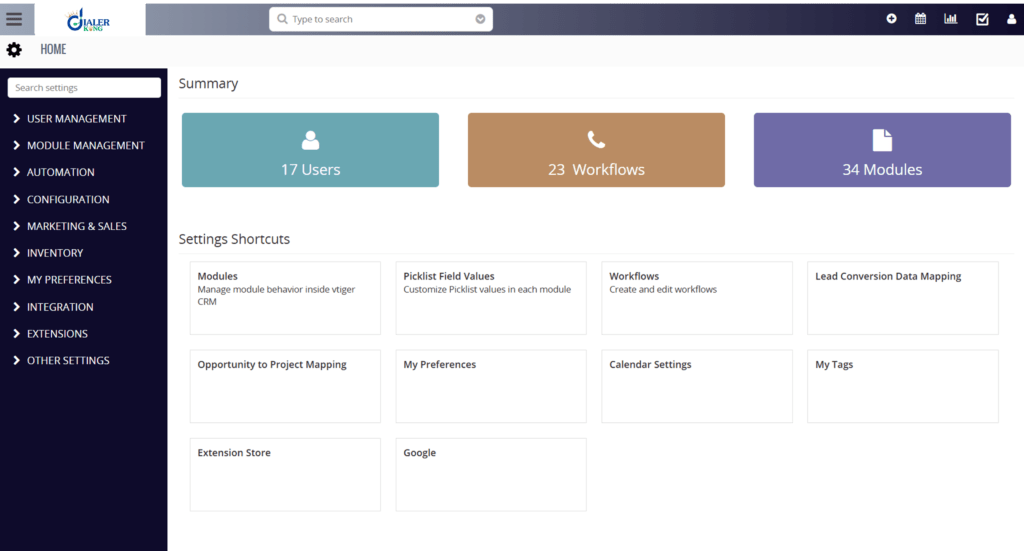
DialerKing Technology operates as a contact center dialer solution services provider company. The focus stays simple. Build systems that sales teams actually enjoy using. DialerKing designs CRM-based call workflows that feel natural. Sales reps do not need technical skills. Managers gain visibility without micromanaging.
The result?
- Faster onboarding
- Higher adoption
- Better performance
That matters more than fancy features.
CRM-Based Calling Systems Features That Actually Matter
Not all features help sales. Some just look good in brochures. Let’s talk about what really matters.
Click-to-Call Inside CRM
One click starts a conversation. No copy-paste numbers. Sales reps typically connect with leads faster and also avoid dialing errors.
Call Notes with CRM Tags
Reps save notes under customer profiles. Future calls feel informed. According to research shared by Google Digital Sales Insights, real-time performance visibility improves decision quality.
CRM-Based Calling Systems and Sales Psychology
Sales runs on timing and trust. CRM-integrated calling supports both. When reps call at the right moment with the right context, buyers feel heard. That emotional shift increases engagement. Quick question. Would you trust a salesperson who remembers your last concern? Exactly.
Global Use Cases: Cities, Markets, and Regions
Companies in cities like New York, London, Dubai, Singapore, Sydney, Toronto, and Mumbai use CRM-integrated calling to respond more quickly, keep track of conversations, and manage leads across regions.
Addressing Common Objections
Let’s tackle the doubts I hear most often.
“My team already uses a CRM.”
Great. Calling integration improves that investment.
“Sales reps resist new systems.”
Adoption improves when tools reduce effort.
“Managers fear loss of control.”
CRM call dashboards increase transparency.
We often highlight that sales efficiency improves when tools simplify workflows rather than complicate them.
CRM-Based Calling Systems and Long-Term Growth
Short-term wins feel good. Long-term systems build revenue.
CRM-based calling helps businesses:
- Scale teams
- Maintain quality
- Improve forecasting
- Retain customers
Sales growth becomes predictable. Predictability typically builds confidence.
FAQs – Real Questions from Real Buyers
Final Thoughts: Why CRM-Based Calling Systems Matter Now
Sales keeps evolving. They help teams stay human while working efficiently. DialerKing Technology builds contact center dialer solutions that support real sales behavior. No fluff. No confusion. Just systems that help teams talk better and sell smarter. If your sales calls deserve more context and control, CRM-based calling deserves your attention.
Let’s make conversations count.