- Why is my Asterisk IVR not routing calls correctly?
- Understanding Asterisk IVR Routing Issues at the Core
- Why Asterisk IVR Routing Issues Hurt Customer Experience More Than You Think
- How to Troubleshoot Asterisk IVR Routing Issues Step by Step
- Preventing Asterisk IVR Routing Issues with Smarter Design and Modern Trends
- Final Thoughts
Asterisk IVR Routing Issues frustrate call center teams across industries, regions, and time zones. Let me guess. Your calls hit the IVR. The greeting plays fine. But after that… silence, wrong extensions, dropped calls, or angry customers. If that sounds familiar, you are not alone.
I see the same panic everywhere. Startups in New York. Enterprises in London. BPO teams in Asia. Support desks in Europe. Everyone hits the same wall at some point. IVR routing never breaks randomly. Something always causes it.
This guide walks you through what actually goes wrong, why it happens, and how to fix it without breaking your entire Asterisk dialplan. I will talk to you like I talk to my closest tech friends. Just real explanations, real examples, and real fixes.
DialerKing Technology works as a global call center solution services provider company. We handle IVR problems daily. Some look tiny. Some hide deep. All follow patterns. Let’s break those patterns.
Why is my Asterisk IVR not routing calls correctly?
Asterisk IVR routing fails due to dialplan logic errors, DTMF detection problems, timeout misconfigurations, incorrect context mapping, or SIP trunk mismatches. You can fix most issues by validating extensions.conf logic, checking DTMF mode, testing call flow with logs, and aligning inbound routes correctly. DialerKing Technology fixes IVR routing problems the same way we debug live call floors, calmly and step by step.
Understanding Asterisk IVR Routing Issues at the Core
Before you fix anything, you need to understand what “routing” really means inside Asterisk.
IVR routing controls how an inbound call moves after a caller presses a key, stays silent, or enters an invalid option. Asterisk reads digits, matches them with dialplan rules, and sends calls to extensions, queues, agents, or voicemail.
When Asterisk IVR Routing Issues appear, the system fails at one of these decision points. I see five common symptoms across industries. Calls route to the wrong extension. Calls drop after input. Most teams reach DialerKing after trying quick fixes that only hide Asterisk IVR routing issues instead of solving them. DTMF never registers. IVR times out and disconnects. Each symptom tells a story.
Dialplan Logic Breaks the Flow
Most IVR routing problems start inside extensions.conf. One small mistake breaks everything. Missing priorities. Wrong context names. Asterisk follows logic strictly. It never guesses. When logic breaks, routing breaks. Wikipedia explains dialplans as rule-based call routing engines that execute instructions line by line. If you jump contexts incorrectly, Asterisk never reaches the correct extension.
Context Mapping Creates Silent Failures
Inbound routes often land in the wrong context. The IVR plays. Menus sound correct. Routing still fails. Why? Because the inbound DID points to one context, and your IVR logic lives in another. This mismatch creates invisible Asterisk IVR routing problems that logs reveal but GUIs often hide. At DialerKing, we see IVR routing failures as logic puzzles, not random system bugs.
Standardise Dialplan Structure Across Locations
DTMF failure causes massive confusion. Callers press keys. Nothing happens. IVR feels frozen. According to research published on educational VoIP resources, over 35% of IVR routing complaints trace back to incorrect DTMF configuration rather than dialplan errors. That number shocks people. It should not.
Why Asterisk IVR Routing Issues Hurt Customer Experience More Than You Think
Let me ask you something simple. Would you stay on a call if the IVR ignores you? Most callers won’t. DialerKing Technology doesn’t only code dialplans; they also think about how to improve the customer experience while routing IVR calls. Failures in IVR have a direct effect on trust, conversions, and the reputation of the brand. That damage spreads quickly to fields including tech support, healthcare, finance, eCommerce, and logistics.
A study that academic CX research sites talk about is that about 70% of people who call hang up after one poor IVR conversation. That stat alone explains why fixing IVR routing matters.
Wrong Extension Routing Wastes Agent Time
When calls hit the wrong agent, frustration rises on both ends. Agents transfer calls repeatedly. Customers repeat problems. Queues overload unnecessarily. This issue often appears due to overlapping extension patterns or incorrect priority ordering.
IVR Timeouts Kill Call Completion Rates
Timeout settings control how long Asterisk waits for input. Too short, and calls drop. Too long, and callers get annoyed. Timeout misconfiguration causes subtle Asterisk IVR routing issues that show up as low call completion rates. We built DialerKing’s troubleshooting process by fixing IVR failures across real call centers, not test labs.
Voicemail Redirection Creates Trust Issues
Some IVRs redirect calls to voicemail unexpectedly. That happens when invalid input logic fails to redirect correctly. Asterisk defaults to voicemail paths when routing logic ends abruptly. This behavior damages credibility fast, especially in sales-driven call centers.
How to Troubleshoot Asterisk IVR Routing Issues Step by Step
Now let’s fix things. I won’t throw commands at you blindly. I will walk you through the thought process first. Tools come second.
Start With Call Flow Visualization
Never debug blind. Map your IVR flow on paper or screen. Entry point. This exercise alone solves half of all Asterisk IVR Routing Issues. When IVR routing breaks under peak traffic, DialerKing steps in before customers hang up.
Read the Logs Like a Story
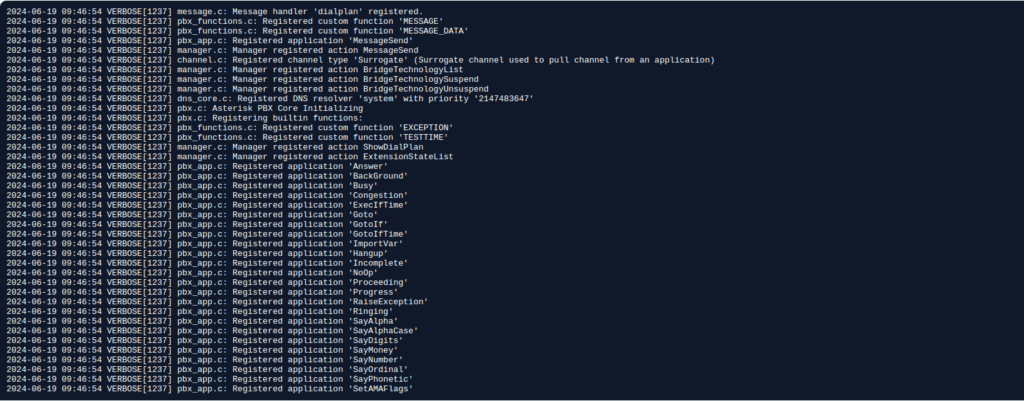
Asterisk logs never lie. Enable verbose logging. Watch real-time call behavior. Every line points to the root cause.
Test DTMF Modes Early
DTMF failures waste hours if you ignore them. Match SIP trunk DTMF mode with Asterisk settings. Test with multiple codecs if needed. Inbound call routing depends heavily on clean DTMF detection. Fix this first before touching Dialplan logic
Validate Timeout and Retry Logic
Timeouts typically control user experience. In general, set values that are also practical. Add retries. When you get bad input, be polite. If retries don’t work, send callers to live agents or queues instead of voicemail. This strategy improves CX right away.
Check SIP Trunk and Codec Alignment
Codec mismatch causes delayed or missing DTMF tones. Global call centers face this problem often due to carrier diversity. DialerKing Technology believes a clean IVR flow matters more than adding extra menu options. Align codecs across trunk, IVR, and endpoints to stabilize routing behavior.
Preventing Asterisk IVR Routing Issues with Smarter Design and Modern Trends
Preventing them helps more. Let’s talk forward-thinking.
Design IVR Like a Conversation
IVR should feel natural. Short menus. Clear prompts. Predictable paths. Complex menus increase routing errors.
Use Call Analytics to Spot Hidden Issues
IVR call analytics reveal where callers drop off. Modern call routing strategies rely on data, not guesswork. Track invalid input rates, timeout frequency, and transfer loops. Educational CX research shows that data-driven IVR optimization improves call completion rates by over 25%. That improvement compounds over time.
Prepare for AI and NLP-Based Routing
The future of IVR moves toward natural language routing and AI-powered optimization. Design IVR flows that adapt, not break.
Standardize Dialplan Structure Across Locations
Global call centers need consistency. Standard naming. Many global call centers rely on DialerKing to untangle complex Asterisk IVR routing issues without downtime. Clear contexts. Reusable modules.
Final Thoughts
Here’s the honest takeaway. Asterisk IVR Routing Issues never appear without a reason. They follow logic, patterns and design decisions. At DialerKing, we design IVR routing that works for agents, customers, and the business together. Once you understand those patterns, fixes become predictable instead of painful.
DialerKing Technology helps businesses across the globe stabilize IVR systems, optimize call routing, and design call flows that actually work. We solve problems before customers hear them. If your IVR feels unpredictable, don’t wait for complaints. Fix the routing, experience and the results.
Explore our in-depth Asterisk troubleshooting guides, IVR optimization tools, and call center automation resources to take control of your call flows today. We often tell clients at DialerKing that simple IVR logic outperforms complicated call flows every time. Sometimes one clean IVR fix changes everything.