- Why PBX Still Matters in 2025 (and beyond)
- How PBX System Works: Core Architecture & Components
- How PBX System Works in Real Industries
- How PBX System Works: Step-by-Step Flow (Inbound Call Scenario)
- How Hybrid PBX Systems Work (On-Prem + Cloud Blend)
- Benefits & Value: Why Businesses Love PBX Systems
- FAQs
- Summary
Hey, quick question: do you ever wonder how the PBX Systems Work behind the scenes in a bustling US contact center—say in Seattle, Chicago, or Miami—so that all calls land right, routing is seamless, and your agents stay productive? If so, you’re in the right spot.
In this guide, I’ll walk you—step by step—through how a PBX Systems Work for American businesses in every industry. I’ll also show you what’s trending in 2025, pitfalls to avoid, and how KingAsterisk Technology can help bring this to life for your company. Let’s get started.
Why PBX Still Matters in 2025 (and beyond)
Before jumping into how the PBX system works, let’s set the stage: communication expectations keep rising. Customers want fast responses. Agents expect unified tools. Legacy phone lines are dying out. And hybrid/remote work has become permanent. VoIP/contact-center infrastructure based on VoIP is forecast to grow ~26 % between 2024 and 2029.
Before jumping into how the PBX Systems Work lets set the stage communication expert.
So yeah — PBX isn’t old news. It’s evolving. This guide shows exactly how the PBX Systems Work, what components matter, and how you can harness it for your US business.
How PBX System Works: Core Architecture & Components
PBX Core / Switching Engine
- This is the “brain.” It handles
- Call routing (which extension or queue receives the call)
- Extension management (internal numbers for agents or departments)
- Call transferring, conferencing, bridging
- Automatic Call Distribution (ACD) — sending calls smartly to idle agents
- Call queues, hold, overflow logic
- This engine knows which call goes where based on rules you configure.
Agent Interface & Extensions
- Every agent or user has an extension. This can map to:
- A desk phone (IP phone)
- A softphone (software app on PC/mobile)
- A web client in a browser
They pick up, transfer, park calls, view presence/status, see call context, etc.
Queuing, Overflow, Call Control Logic
Calls may wait in queues if agents are busy. The PBX logic handles:
- Maximum queue length
- Wait time announcements
- Overflow to fallback agents/queues
- Callback options (offer call back instead of hold)
- Abandonment logic
(Yes, abandonment is a real cost. Silent abandonment—customers leaving without notice—impacts agent efficiency 3–15 % in contact centers
Recording, Monitoring, and Analytics
- A PBX system often includes
- Call recording for QA
- Live monitoring or whisper modes
- Speech analytics / sentiment analysis (modern systems detect tone, sentiment, cues)
- Dashboards & KPIs: handle time, queue depth, dropped calls
Integration & APIs: CRM, Helpdesk, Chat, etc.
One major power move: linking your PBX with CRM, helpdesk, ticketing, chatbots. That way:
- An incoming call triggers a CRM record
- The agent sees context (customer history)
- Call logs auto-sync
- Chat-to-voice handoffs become smooth
Failover, Redundancy & High Availability
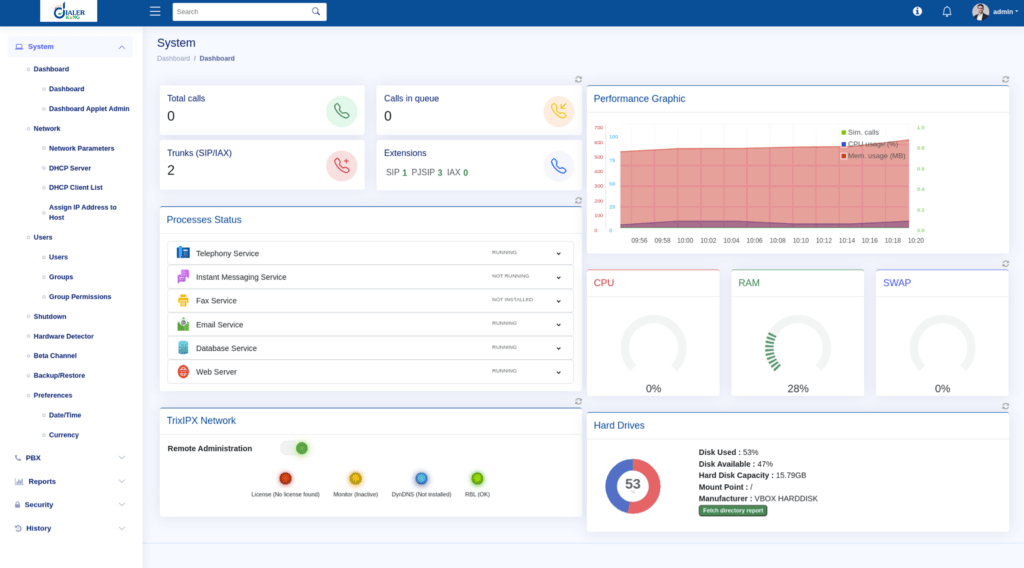
To keep calls active even during outages, modern PBX systems use redundant servers and failover architecture that automatically redirect traffic when one server goes down.
How PBX System Works in Real Industries
Let me walk you through how the PBX system works in real US industries & cities—so you see the variation. Hospitals handle a large volume of external calls for scheduling, pharmacies, and insurance inquiries, and this is where a PBX system works efficiently to streamline communication.
Their PBX system works by using IVR menus to route calls efficiently — for instance, “Press 1 for account information, 2 for loans, or 3 for fraud.” A modern PBX system works as their central communication engine, managing one unified number for all U.S. inbound calls.
How PBX System Works: Step-by-Step Flow (Inbound Call Scenario)
Let’s walk through a call flow to see “how PBX system works” in action—step by step:
- A customer dials your main number (toll-free or local)
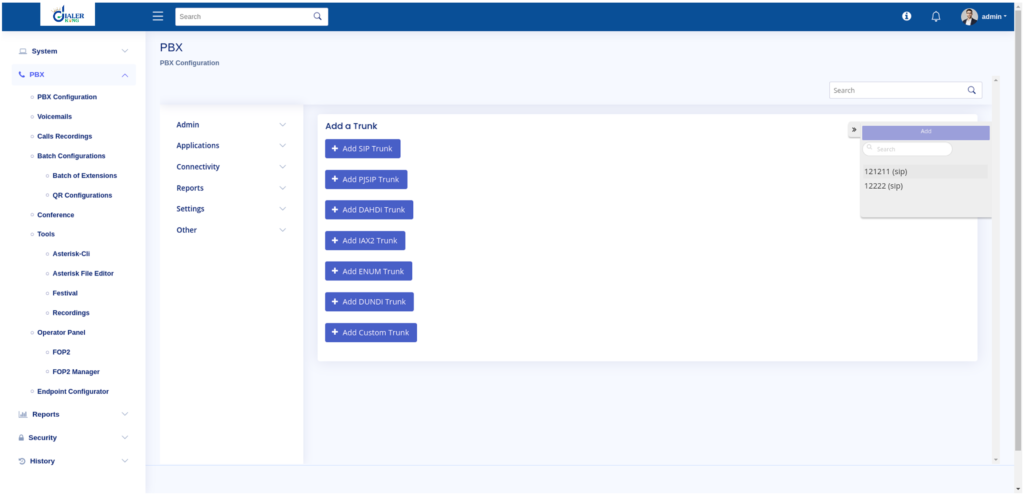
- The call enters via SIP trunk (or VoIP gateway)
- PBX system receives it; IVR menu greets caller
- Caller selects “2 = Billing”
- PBX logic checks agent queue for billing
- If an agent is free, route immediately
- If no agent is free, place in queue
- Play announcements: “You are number 3 in line.”
- Offer callback option
- Monitor abandon/silent abandonment
- Once agent is free, call bridges to agent’s extensio
- Agent sees CRM context, handles call
- After call, PBX logs data, triggers call wrap-up
- Salt: sentiment analysis flags negative tone, escalates if needed
- Reports update: AHT, queue times, drop rate, etc.
That is how the PBX system works in a real, live environment. In North America, the hosted PBX market growth is estimated ~11.8 % CAGR from 2025–2032. In the U.S., hosted PBX is trending ~15.5 % CAGR through 2030. So the cloud model is the dominant way PBX system works in 2025 for new deployments.
How Hybrid PBX Systems Work (On-Prem + Cloud Blend)
Some businesses prefer a hybrid: on-prem PBX with cloud backup or extension features. It works like this:
- On-site core handles local call routing
- Cloud acts as backup or remote agent handler
- Extensions replicate to cloud
- Failover: site goes down → cloud takes over
- Useful in large campuses or regulated environments
One trend from 2025 contact center analysis: IVR is still alive but becoming AI-driven, and generative AI is assisting in summarization & routing. So now you know how PBX system works in the intelligence era.
Benefits & Value: Why Businesses Love PBX Systems
Understanding how the PBX system works is great — but why should you care? Here’s the upside, especially for US businesses in 2025
- Cost savings: no need for massive copper infrastructure or analog lines
- Scalability: add agents, call centers in new states (or globally)
- Flexibility: hybrid, remote, mobile—all work
- Analytics & visibility: see call patterns, optimize staffing
- Automation & AI: route by intent, sentiment, context
- Integration: CRM, chat, ticketing, all connected
- Business continuity: cloud/failover ensures uptime
Remember: global PBX market surging, and cloud PBX dominates ~45 % share in 2025. VoIP/contact center infra is estimated to grow ~26 % by 2029. Also, unified communications (UC) trends show many businesses merging voice + chat + video with PBX functionality. That’s how modern PBX works
FAQs
Summary
Alright — you now know how the PBX system works in modern American businesses, across industries, and leveraging cloud, AI, remote agents, analytics, and more. If you’re ready to deploy a PBX-powered contact center in Phoenix, Seattle, Chicago, New York, or anywhere across the USA, KingAsterisk Technology can help. From migration, integration, AI features, to live support — we’ve got your back.
Next step: Request a free demo or consultation from KingAsterisk. Let’s map out how your business’s call flows, pick the ideal PBX architecture, and scale communication like pros